Understanding BBQ Smoking: The Basics
Smoking barbeque might seem like a daunting task if you're new to the scene. The good news is that you don't have to be a pitmaster to appreciate and even create delicious smoked barbeque at home. This guide will explain technical concepts in simple terms, making smoked barbeque accessible to beginners in Scranton, Pennsylvania.
What is BBQ Smoking?
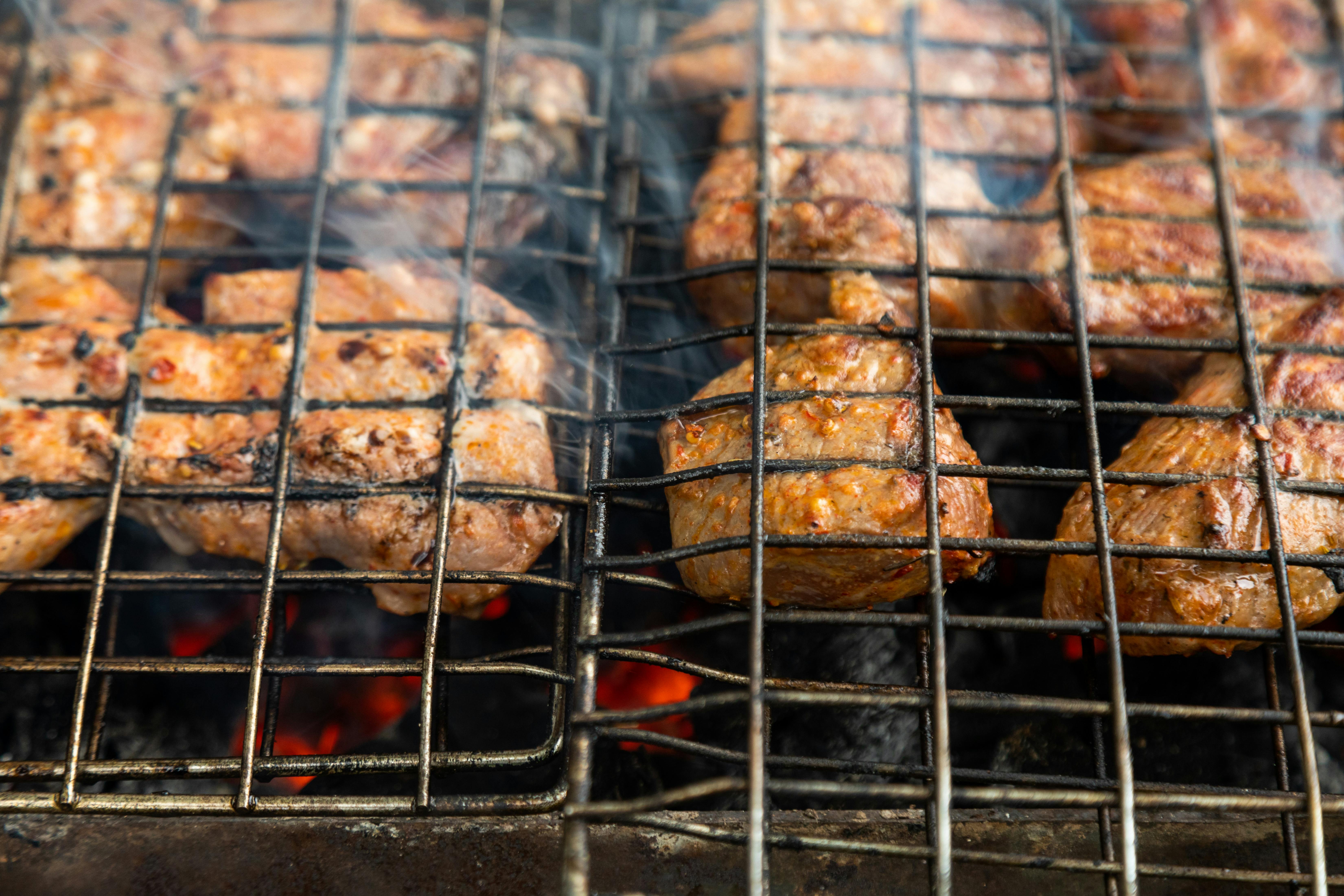
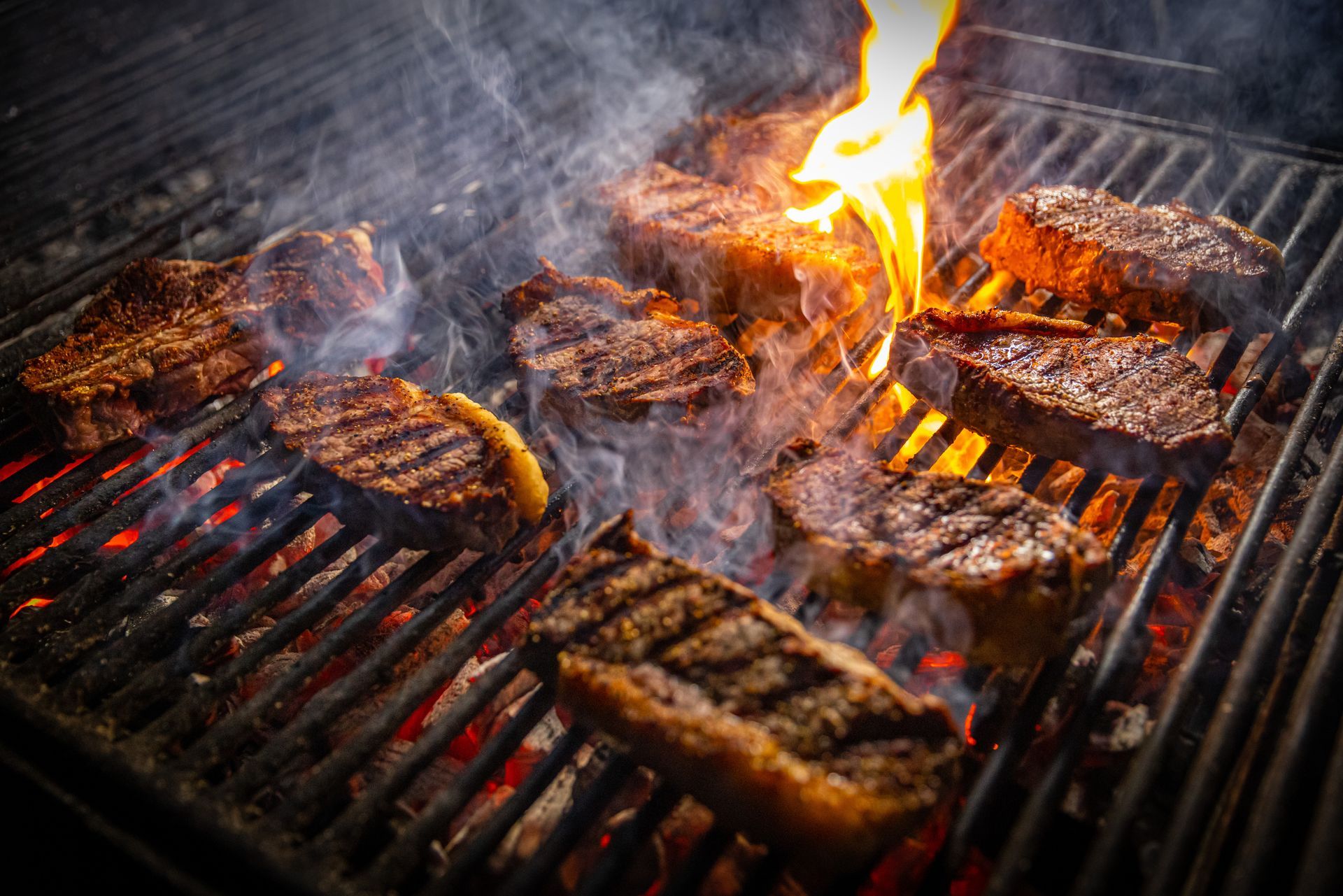
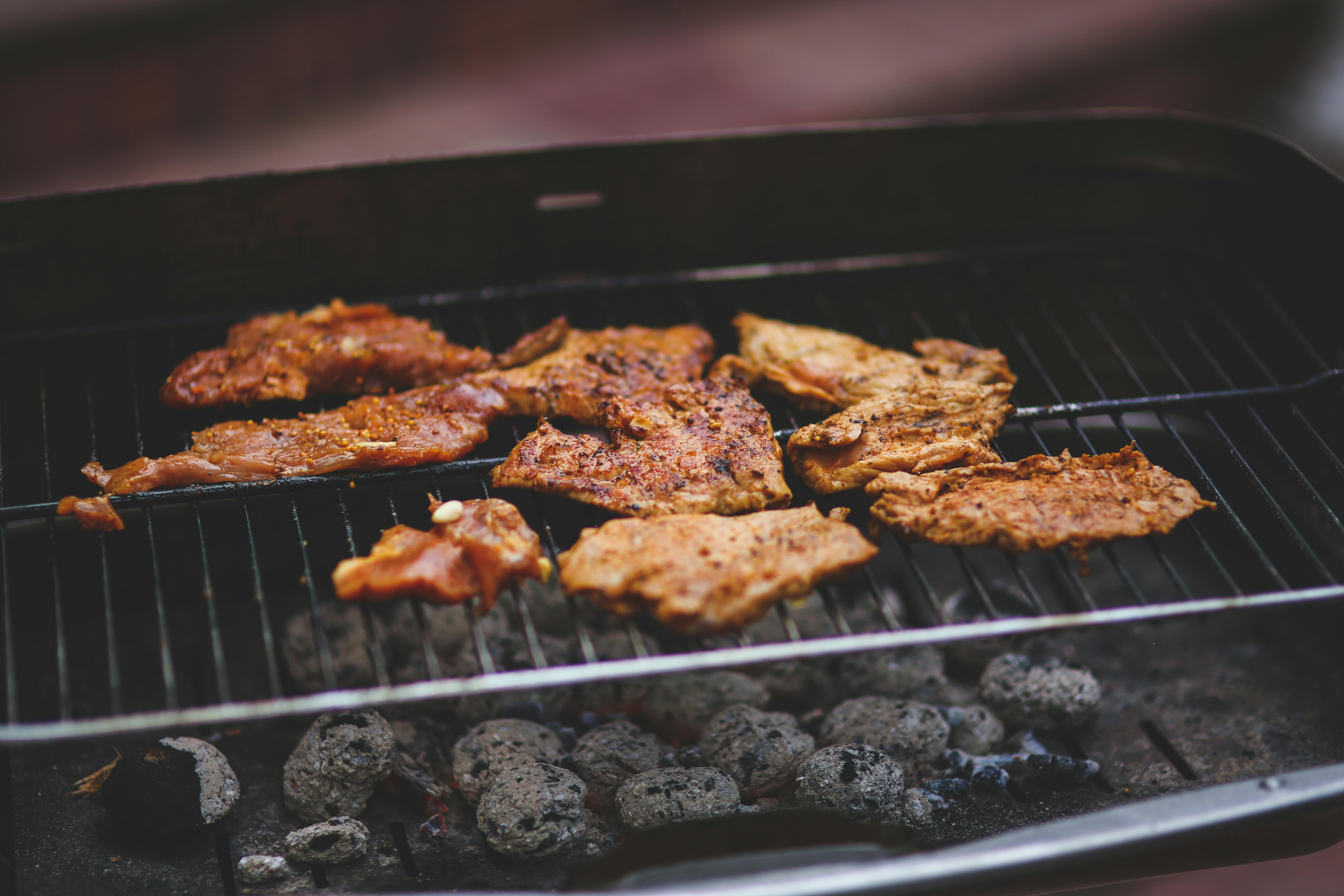
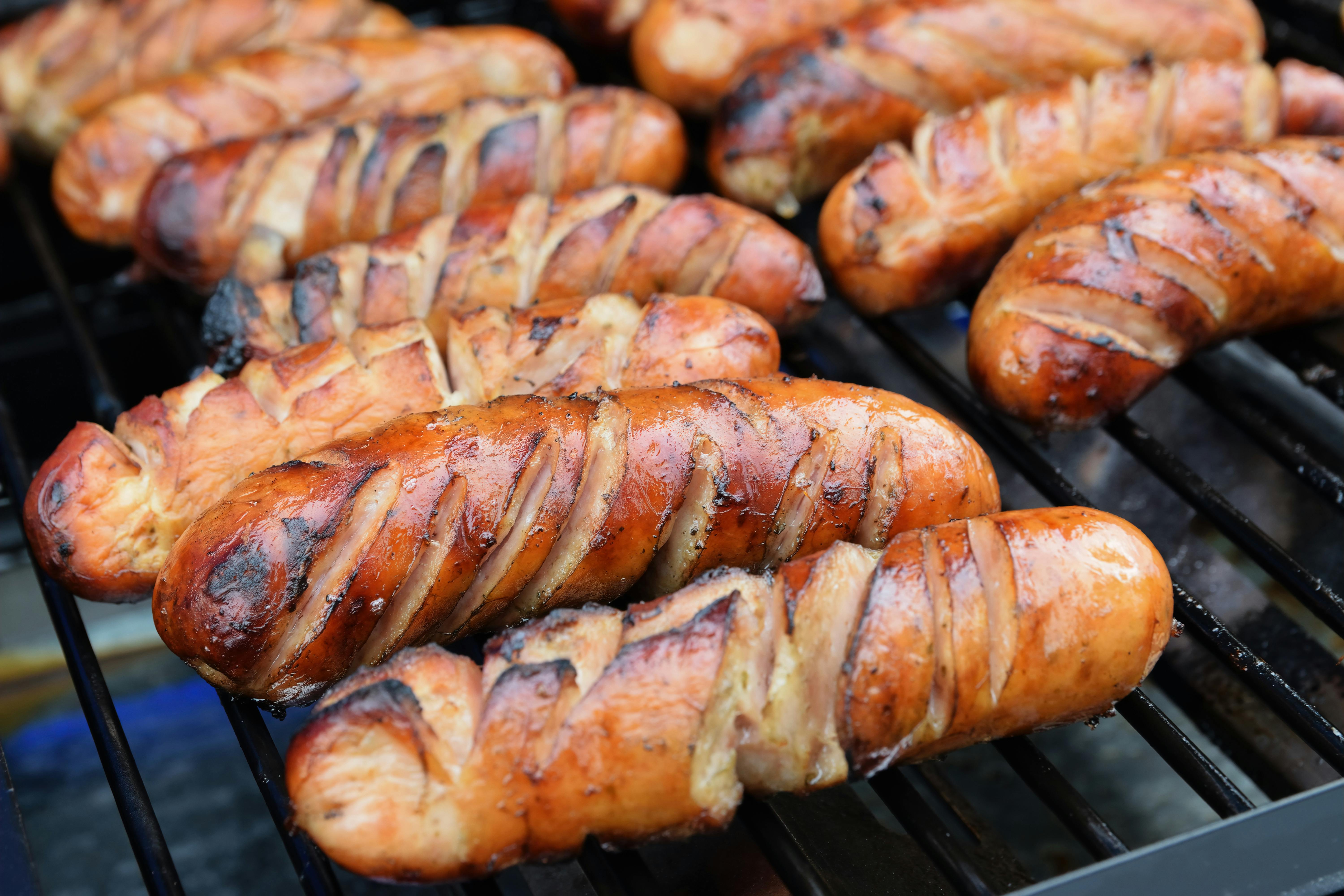
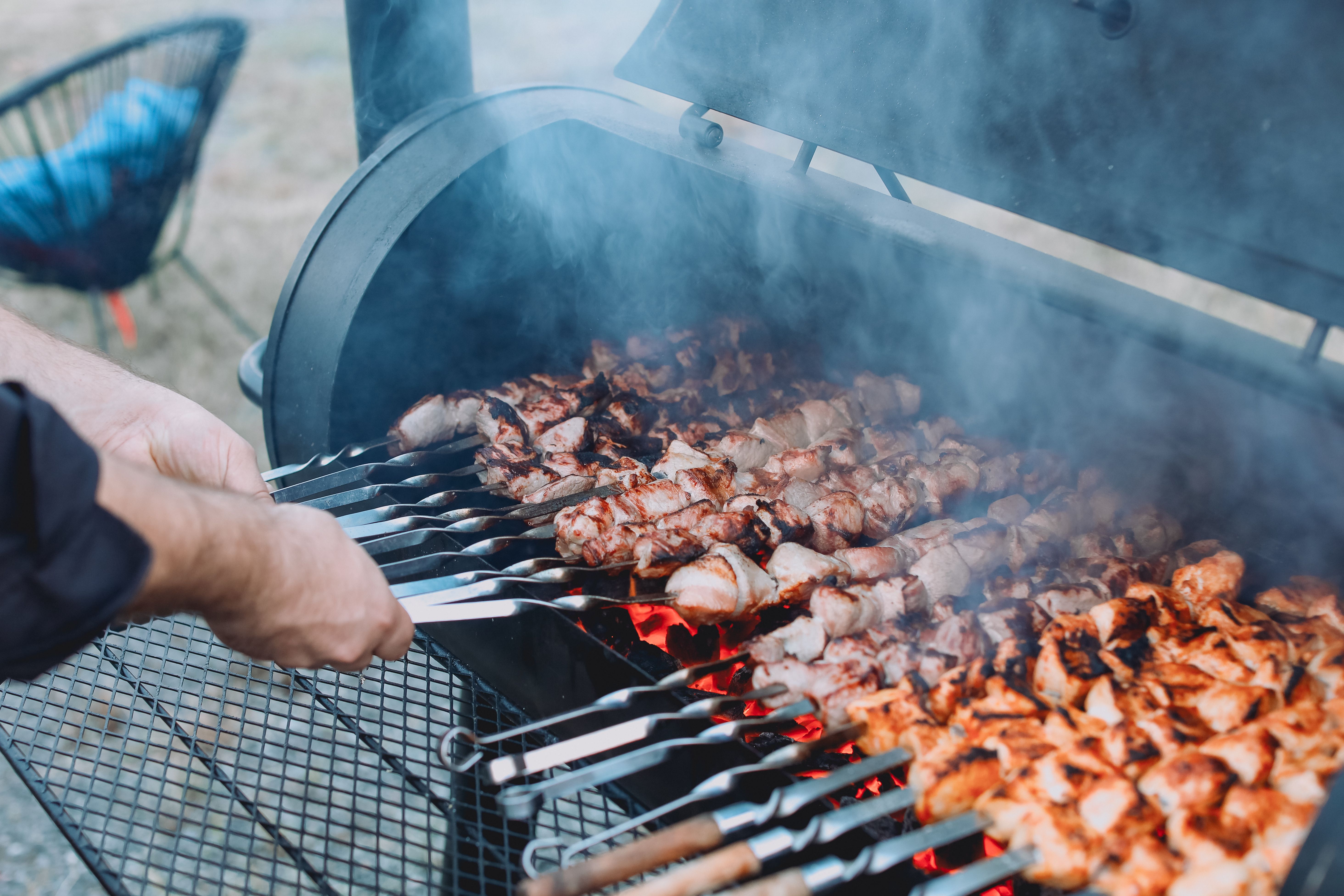
BBQ smoking involves cooking meat slowly over low heat with the addition of wood smoke. This process infuses the meat with a rich flavor and achieves a tender texture that is difficult to replicate through other cooking methods. Unlike grilling, which uses direct heat, smoking relies on indirect heat and is a labor of love that requires patience.
Choosing the Right Equipment
For beginners, selecting the right equipment is crucial. There are several types of smokers, each with its own benefits:
- Charcoal Smokers: These provide a traditional flavor and are relatively inexpensive. They require more monitoring to maintain temperature control.
- Electric Smokers: Ideal for beginners, these are user-friendly and maintain consistent temperatures with minimal supervision.
- Pellet Smokers: These are versatile and use wood pellets to produce smoke, combining the convenience of an electric smoker with the flavor of wood smoke.
Selecting the Perfect Wood
The type of wood you use impacts the flavor of your smoked barbeque. Here are some popular choices:
- Hickory: Provides a strong, smoky flavor. Excellent for ribs and pork shoulders.
- Mesquite: Offers a bold, earthy taste. Best used in moderation or for quick cooks like steaks.
- Applewood: Imparts a mild, sweet flavor, ideal for poultry and pork.
Mastering Temperature Control
Temperature control is vital for successful smoking. Ideally, the smoker should be between 225°F and 250°F. Here’s how to manage it:
- Use a Thermometer: Invest in a good digital thermometer to monitor both the smoker and meat temperatures.
- Adjust Vents: Control airflow by adjusting the smoker's vents. More oxygen means a hotter fire, so adjust accordingly to maintain temperature.
- Avoid Opening the Lid: Every time you open the smoker, heat escapes, making it harder to maintain a consistent temperature.
Prepping the Meat
Properly preparing your meat is just as important as the smoking process itself. Here are some tips:
- Trim Fat: Remove excess fat to prevent flare-ups and ensure even cooking.
- Season Generously: Use a dry rub or marinade to enhance flavor. Let the meat absorb these flavors for at least a few hours or overnight if possible.
- Consider a Brine: For poultry, a brine can help keep the meat moist during the smoking process.
Patience is Key
Smoking is a slow process that can take several hours, depending on the cut and type of meat. Here’s why patience pays off:
- Flavor Development: The longer cook time allows smoke to penetrate the meat deeply, resulting in a robust flavor.
- Tender Texture: Slow cooking breaks down connective tissues, making the meat tender and juicy.
Uncle Bill's BBQ: Your Local Guide
For residents of Scranton looking to dive deeper into the world of smoked barbeque, Uncle Bill's BBQ offers not only mouth-watering smoked dishes but also expert advice and resources for enthusiasts at all levels. Whether you're just starting out or looking to refine your techniques, our team is here to help you succeed in your BBQ endeavors.
Conclusion: Start Smoking with Confidence
With these basic concepts demystified, you're now ready to embark on your smoked barbeque journey. Remember, practice makes perfect, and don't hesitate to reach out to local experts like Uncle Bill's BBQ in Scranton for guidance. Happy smoking!